




We use cookies to keep the site reliable, remember basic choices, and understand which pages are useful. You can accept, reject, or review the settings before continuing.
Core capabilities across the Nuggets Code Academy curriculum
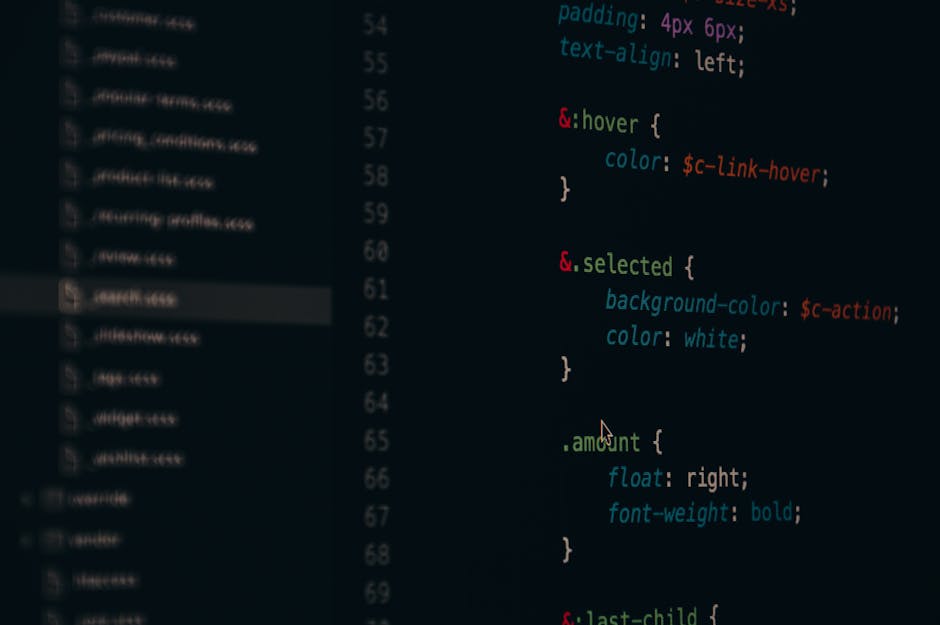
Structured Programming Modules
Each course is broken into focused modules that build on one another. You start with syntax and control flow, then move into functions, data structures, and error handling. Every module ends with a small project so the concepts stick.

Version Control Workflows
We treat Git as a daily tool, not an afterthought. You practice branching, merging, and pull requests in realistic team scenarios. By the time you finish, committing clean history and reviewing others' code feels natural.

Modern Frontend Practices
Layouts that hold up on a phone, a tablet, and a wide monitor are not luck. We cover CSS Grid, Flexbox, and accessibility patterns with real code samples. You leave with components you can reuse in your own projects.

Debugging and Testing
Writing code is half the job; finding why it breaks is the other half. Our lessons walk through reading stack traces, using breakpoints, and writing unit tests that catch regressions early. You build confidence to ship code that behaves.

Database Design Essentials
Applications live and die by their data layer. We teach relational modeling, indexing basics, and query optimization with practical exercises. You learn to design schemas that stay fast as your user base grows.

Collaborative Development
Software is built by people, not just code. Our group exercises simulate sprint planning, code reviews, and pair programming. You practice giving clear feedback and splitting large tasks into shippable pieces.